

About us
In the Institute of Environmental Biology we are pursuing several lines of research concerning ecology of individuals, populations and ecosystems, animal behaviour, bioacoustics, evolutionary biology, phylogenetics, taxonomy and systematics, biogeography, as well as biodiversity, environmental conservation and monitoring. Our study systems include a wide variety of taxa, from bacteria to vertebrates, and we explore many regions in the world, including Arctica, Australia, Africa, North and South America. We offer several BSc and MSc courses, and provide numerous PhD opportunities.
News
-
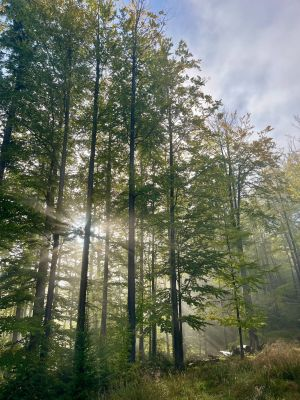
Publication in PNAS on European beech the impact of drought on seed production
In the study published in Proceedings of the National Academy of Sciences USA USA Jakub Szymkowiak and colleagues from Forest Biology Centre AMU showed that once initiated, beech reproduction is not reduced by drought. Click… Read more >
-
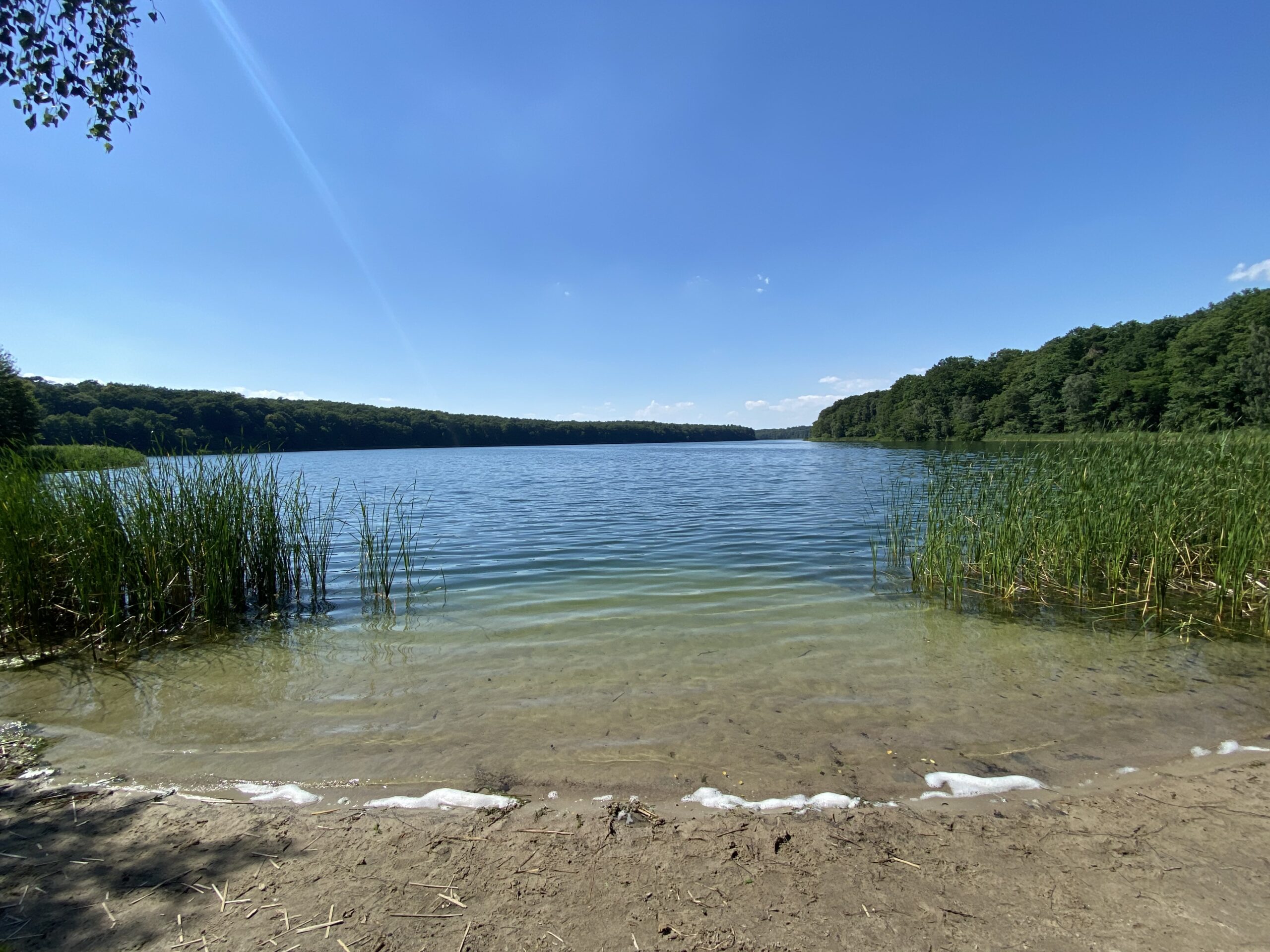
Mechanisms of Ecosystem Recovery in Lake Góreckie, Wielkopolski National Park
An article by Sarkhan Ibrahimov, Renata Dondajewska-Pielka, Lech Kaczmarek, Aleksandra Pełechata, and Mariusz Pełechaty, published in the Journal of Environmental Management, summarises the results of a long-term study on the dynamics of water quality in Lake Góreckie, located in… Read more >
-
XIV Scientific Session of the Institute of Environmental Biology
XIV Scientific Session of the Institute of Environmental Biology, Faculty of Biology AMU 11 June 2026 – program (link) Read more >
-
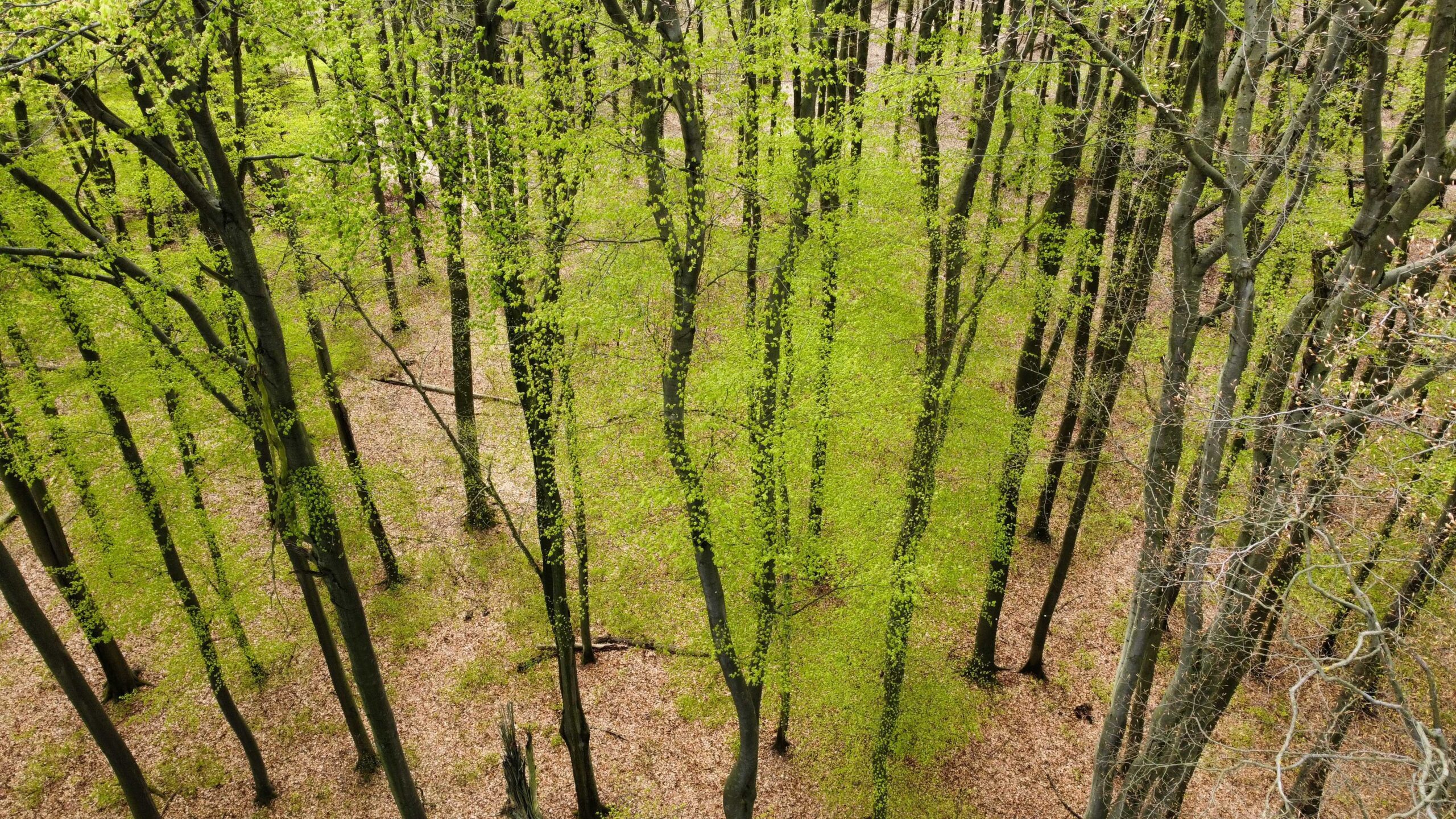
A study on the impact of climate change on seed production by trees
In an article published in Nature Climate Change, researchers from the Forest Biology Center at Adam Mickiewicz University in Poznań show that climate change is leading to a decline in seed production by trees. Seed… Read more >
-

An article on how enviroments shapes butterfly wing patterns
A paper by Freerk Molleman and Urszula Walczak from the Department of Systematic Zoology and published in Proceedings B and collaborators, shows that two species of tropical butterfly both respond to humidity, but using different… Read more >
-
A paper demonstrating tree strategy to avoid caterpillars’ attack
A paper published in Nature Ecology and Evolution by Soumen Mallick and colleagues, including Freerk Molleman from our institute, uses detailed satellite images from forests in Germany to show that trees tend to show delayed… Read more >
-

Diversifying selection on a key regulator of missing-self innate immunity
Diversifying selection on a key regulator of missing-self innate immunity Rocco F. Notarnicola et al. (2026, https://doi.org/10.1093/molbev/msag082) show how an innate immune regulator (CFH), thought to be conserved by its interactions with self-components, is instead… Read more >
-
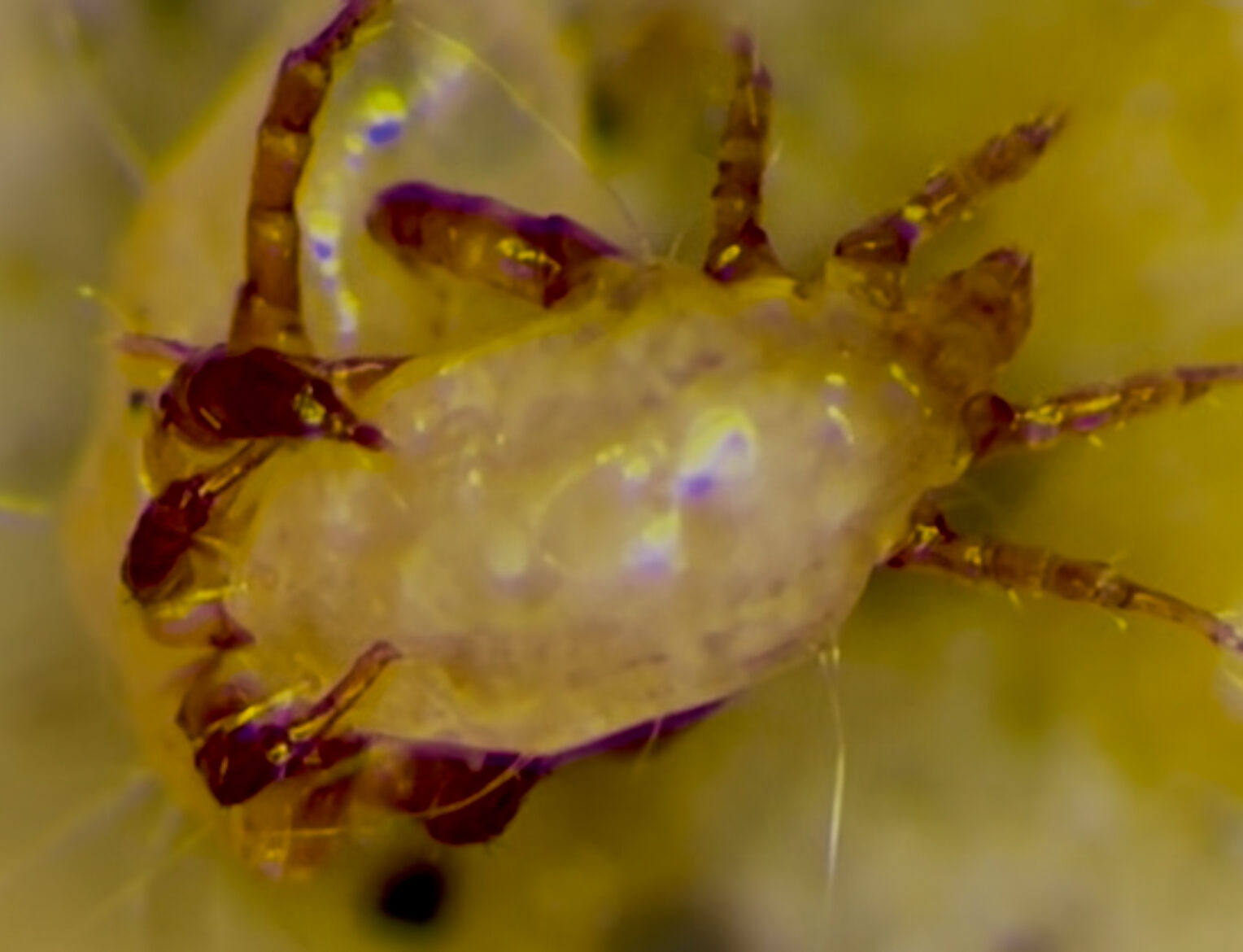
The impact of sexual selection on population dynamics.
In the study published in Ecology Letters https://onlinelibrary.wiley.com/doi/epdf/10.1111/ele.70377 Neha Pandey and colleagues report that populations in which males are aggressive and armoured in lethal weapons are less stable compared to populations in which males are benign. Populations with… Read more >
-

Genomic vulnerability to climate change in Scots pine
In their recent article published in Evolutionary Applications (DOI: 10.1111/eva.70180), Bartosz Łabiszak and Witold Wachowiak examined adaptive variation in Scots pine across a wide environmental gradient in Northern and Central Europe and assessed the extent of genomic… Read more >
-

Publications on hybridisation between pine species
Two recent articles by Prof. Wachowiak’s team (Molecular Ecology and BMC Plant Biology) provide complementary evidence on the repeatability of hybridization between Pinus sylvestris and Pinus mugo. Analyses of thousands of individuals from multiple contact zones show that, despite environmental… Read more >